UBA
The implementation of Unnat Bharat Abhiyan has the potential to bring about transformative changes in rural India, leading to improved living standards, enhanced opportunities and sustainable development. The Unnat Bharat Abhiyan (UBA) is a program initiated by the Government of India which aims at rural development. UBA aims to bring about holistic development in rural areas by addressing various aspects such as infrastructure, healthcare, education, sanitation, and livelihood opportunities. The UBA cell, along with the NCC, NSS and the YRC Unit of our college helps in bridging the different sections of society by promoting inclusive growth. The objectives of the extension activities include engaging faculty and students of higher educational institutions in understanding rural realities, identifying and selecting existing innovative technologies, device innovative solutions as per the local needs. Velammal Institute of technology has adopted five villages that include Chinnambedu. Kannigaiper, Karanodai, Amindanallur and Panchetti. Meeting with Gram panchayat leaders foster a sense of civic responsibility mutually and the following features were taken into account.
Baseline survey of Five villages.
Education & Literacy rate.
Basic amenities available in the villages.
Village infrastructure and services.
Source of Energy and Power
By involving villagers in planning and implementing development projects, it empowers them to take charge of their own development and fosters a sense of ownership and responsibility. UBA promotes collaboration between academic institutions and rural communities. It provides opportunities for students, faculty and researchers to engage in fieldwork, data collection and applied research that addresses the local challenges and finds sustainable solutions. UBA initiatives include skill development programs that are implemented through a number of awareness programmes. UBA encourages the adoption of sustainable development practices that preserve natural resources and protect the environment. It serves as a platform for supporting policy changes and governance reforms that benefit rural communities. By highlighting the needs and priorities of rural areas, it influences decision-making at the local, state and national levels, leading to more effective and inclusive policies.
The details of the committee comprising the UBA Cell include the following members:
Head of the Institution-Principal Investigator UBA Cell
Dr. N. Balaji
UBA Cell Coordinators
Dr. S. Jagan Raj, Assistant Professor/Chemistry
Mr. R. Raja, Associate Professor/CSE
UBA Cell Members
Mr. J. Sathiya Jebasundar, Assistant Professor/CSE
Mr. V. Mukunthan, Assistant Professor/ECE
Mr. V. Subramaniyam, Assistant Professor/EEE
Mrs. G. Durgadevi, Assistant Professor/IT
Mr. K. Kalaiselvan, Assistant Professor/MECH
Mr. K. Dinesh Kumar, Assistant Professor/AI&DS
Mr. K. Karthikeyan, Assistant Professor/MATHS
Mr. A. Arun Dinesh, Assistant Professor/PHYSICS
Mr. M. A. Saravanan, Assistant Professor/CHEMISTRY
Mr. S. Somu, Assistant Professor/ENGLISH
Mr. T. Rajesh Kannan, Assistant Professor/ENGLISH
Mr. B.A Elankathiravan, Assistant Professor/ENGLISH
TREE PLANTATION PROGRAM
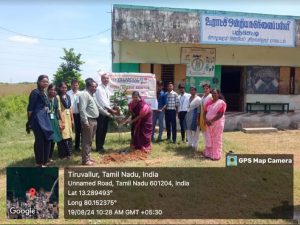
On August 18, 2024, the UBA Cell organized a Tree Plantation Program at the Government Elementary School, Panchetti. This initiative saw active participation from our college community, with numerous students engaging in the event. The program was designed to promote environmental awareness and sustainability. Our
Principal delivered an informative talk on the importance of tree plantation and environmental protection. The UBA volunteers dedicatedly planted a variety of saplings, contributing to the school’s green efforts and fostering a commitment to environmental stewardship.